13 Things You Need to Know About NetSuite
Deciding the right ERP system to use is a challenging task, but once you decide to purchase it, you will need to know some key details to get moving. Here are 13 things you need to know about NetSuite before or after you purchase the system.
Read the Article Read the Article 
Anchor Group Named by Clutch Amongst Wisconsin’s Top Cloud Consulting Services 2021
Anchor Group NetSuite Consultants was named a top NetSuite services company by Clutch in 2021. This award is a testament to the dedication the company has for clients working in NetSuite consulting and development from implementation through continuous ad hoc projects. Find out more about the Award!
Read the Article Read the Article 
AP Automation AI for NetSuite Users: Ottimate and Anchor Group Partner-Up
Anchor Group is thrilled to announce a strategic partnership with Ottimate, an innovator in artificial intelligence-driven AP automation software.
Read the Article Read the Article 
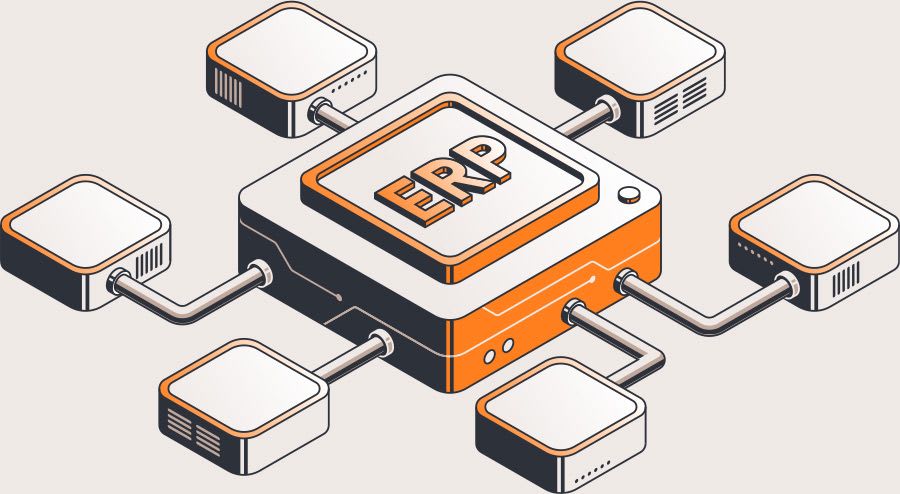
7 Leading ERP Solutions for Businesses Seeking Scalability in 2025
Choosing the right ERP system is a long-term decision that shapes a company’s efficiency, scalability, and data strategy. With the global ERP market surpassing USD 71 billion in 2024, this guide highlights leading ERP solutions for growing businesses—comparing cloud-based, industry-focused, and mid-market platforms built for sustainable growth in 2025.
Read the Article Read the Article 
BigCommerce Bulk Ordering Setup Guide for B2B in 2026
BigCommerce bulk ordering is a B2B purchasing workflow that lets buyers add many SKUs quickly through options like B2B Edition Quick Order, Bulk Upload CSV, reorder tools, or a custom bulk order form. For many wholesale stores in 2026, B2B Edition Quick Order is a strong starting point because it helps your team reduce manual order entry, protect pricing accuracy, and keep repeat-order logic in one place.
Read the Article Read the Article 
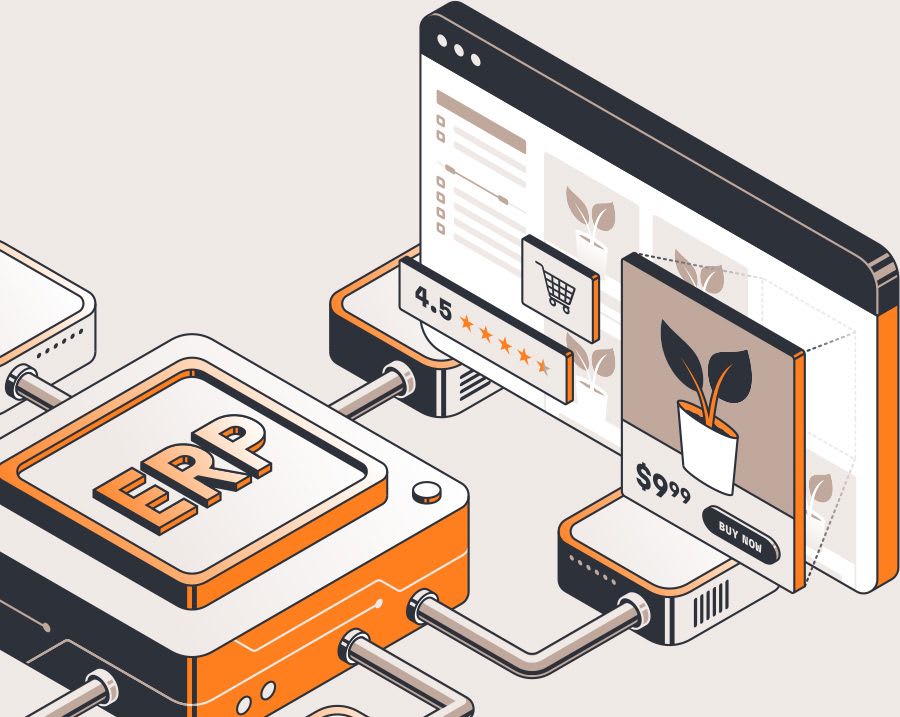
BigCommerce NetSuite Integration Planning for Food and Beverage Brands
BigCommerce NetSuite integration for food and beverage brands usually works best when NetSuite owns ERP data, BigCommerce owns the storefront, and the integration layer is chosen by operational complexity rather than by connector marketing. Food and beverage teams need a build that protects lot traceability, pack-size logic, account pricing, and warehouse-specific fulfillment from day one.
Read the Article Read the Article 
2026 BigCommerce NetSuite Integration for Medical Device Manufacturers
BigCommerce NetSuite integration for medical device manufacturers is one of the most practical ways to support digital ordering when the build preserves UDI context, lot traceability, account approvals, returns, and exception logs. The best approach in 2026 is usually a connector-first architecture with custom rules for regulated inventory, customer eligibility, controlled documents, and recall-ready records.
Read the Article Read the Article 
How to Enable Advanced Inventory Management in NetSuite for Supply Chain Accuracy
Your stockouts cost you customers. Your excess inventory drains working capital. When businesses implementing advanced inventory systems experience significant reductions in carrying costs while cutting stockout incidents substantially, the path forward becomes clear. NetSuite's Advanced Inventory Management transforms basic stock tracking into a strategic supply chain weapon—and the feature toggle can be completed quickly once prerequisites are in place.
Read the Article Read the Article 
How to Enable Subscribe and Save on BigCommerce
BigCommerce subscribe and save is usually enabled with an app, stored-payment setup, and clear portal rules because BigCommerce does not offer one native toggle for the whole workflow. For your business, the real goal is usually not "turning on a feature." It is reducing reorder friction, improving retention, and keeping recurring orders visible to support, finance, and operations.
Read the Article Read the Article 
How to Enable Subscribe and Save on Shopify in 2026
The best way to enable Shopify to subscribe and save in 2026 is to install a compatible subscription app, create a selling plan, attach it to eligible products, and add the product-page widget. Then test the full renewal flow before launch. Shopify subscribe and save runs on selling plans, not a single native admin toggle. App choice, policy setup, and customer self-service all matter from day one. This guide is for Shopify merchants, ecommerce managers, and operations teams that want recurring revenue without turning the storefront into a custom project on day one. It covers what Shopify requires, how to configure the setup inside admin, where your team usually gets stuck, and how to make the subscription experience cleaner for both customers and your internal team.
Read the Article Read the Article 
SuiteCommerce Implementation: Gathering Requirements
Clearly defining what you want your website customer experience to be, as well as how your website will interact with the NetSuite backend, is by far the most important part of any implementation.
Read the Article Read the Article 
How a Software IoT Device Company Prepared for IPO with a NetSuite ERP Implementation
Anchor Group recently completed a clean, on-budget and on-timeline project for a software IoT device company that was expanding internationally and getting ready for IPO. If your organization is considering an ERP implementation, the following is your guide on how to replicate this success.
Read the Article Read the Article 
Scroll to load more articles