SuiteCommerce Customization
Anchor Your SuiteCommerce Implementation Project
Implement SuiteCommerce with a team that understands both ecommerce and NetSuite. From requirements and website design through development, integrations, testing, and go-live, our SuiteCommerce implementation services help you build a storefront around the way your business actually operates.
SuiteCommerce is the ecommerce platform built by Oracle NetSuite for NetSuite ERP, connecting your storefront with the customer, item, inventory, order, and other business data managed in NetSuite. A successful SuiteCommerce implementation requires both an understanding of NetSuite architecture and the web development expertise needed to configure and customize single-page applications and ecommerce experiences within SuiteCommerce.
Our SuiteCommerce developers and consultants can help with SuiteCommerce and SuiteCommerce Advanced (SCA) implementations, including configuration, themes, custom development, extensions, integrations, SEO, training, and post-go-live support. Whether you're launching a new NetSuite ecommerce site or replacing an existing storefront, we can help define the requirements and implement SuiteCommerce around your business.

A successful SuiteCommerce implementation starts with clearly defined business and website requirements. We work with your team to understand the customer experience, ecommerce functionality, integrations, NetSuite processes, data requirements, and priorities that the new storefront needs to support.
Those requirements become the foundation for the implementation plan, helping us define the project scope and provide a detailed SuiteCommerce implementation estimate before moving into the build.

Your SuiteCommerce website design can start with an existing SuiteCommerce theme or a more customized design built around your brand and customer experience. If you already have an in-house graphic designer or marketing team, they can provide designs for our developers to implement. Otherwise, our team can help customize the SuiteCommerce theme and translate the approved design into the webstore.
Making these decisions early gives the development team a clear direction before storefront functionality and customizations are built.

Once the requirements and design direction are established, we configure the SuiteCommerce environment for your business. This can include installing the necessary SuiteCommerce apps, bundles, and integrations, setting up your domain, importing website-specific inventory information, migrating applicable ecommerce data or content from an existing storefront, and configuring the storefront around your NetSuite data and ecommerce requirements.


The goal is to get as much as possible working through native SuiteCommerce and NetSuite functionality before introducing unnecessary customization.

With the core storefront configured, our SuiteCommerce developers build the functionality that goes beyond standard configuration. This can include custom features, extensions, integrations, theme development, and other work required for your NetSuite ecommerce site.
Development is followed by testing and refinement to make sure the storefront works as expected across the customer experience and the NetSuite processes behind it. Your team should also have an opportunity to validate important workflows before go-live so issues can be addressed while there is still time to make adjustments.

Before launch, we prepare both the storefront and your team for go-live. On the website side, that includes making sure the new SuiteCommerce webstore is properly configured for search engine optimization (SEO), including SEO data management, metadata, page structure, and tools such as our meta description automation script to help keep SEO information updated as new items are added to your ecommerce site.
We also work through launch preparation and appropriate SuiteCommerce training so the people responsible for the site understand how to manage the storefront after implementation.

Go-live is the beginning of operating your new SuiteCommerce site, not necessarily the end of the work. Our team can stay involved during launch to help resolve issues and support your team as customers begin using the new storefront.
After launch, you may want to add new features, improve existing functionality, or make further SuiteCommerce customizations based on customer feedback and website performance. For businesses using SuiteCommerce Advanced (SCA), ongoing support can also include managing version migrations and making sure existing customizations continue working as new updates are released. Because SCA implementations can contain site-specific customizations, having developers familiar with your particular SuiteCommerce environment can make those migrations easier to manage.
Our Managed Services Plans can provide ongoing NetSuite ERP and SuiteCommerce support as your ecommerce requirements continue to change.

Whether you're replacing an existing storefront, launching SuiteCommerce for the first time, or already have part of the project mapped out, tell us what you know. We can talk through the rest together.
What happens after you submit?
1. Terry will reach out. Usually in about an hour... except on weekends, when he'll be on lake time.
2. We'll talk through where things stand. We'll ask about your current ecommerce setup, what you're trying to accomplish, and anything you already know about the project. You don't need to have every requirement figured out.
3. We'll figure out the right next step. We'll bring in the SuiteCommerce consultants, developers, or other experts who make sense for your implementation.
There isn't one standard SuiteCommerce implementation cost because the scope can vary considerably from one ecommerce project to another. A relatively straightforward implementation using an existing theme will look very different from a SuiteCommerce Advanced (SCA) project involving custom design, extensions, integrations, data migration, and complex B2B or B2C functionality.
The biggest cost drivers are typically the amount of website design and development required, the complexity of your NetSuite configuration, integrations with third-party systems, custom functionality, and the amount of data or content that needs to be migrated. Your implementation approach also matters—businesses with internal design, development, or ecommerce resources may handle portions of the project themselves.
The hours required depend on the requirements of the project, but these ranges can provide a starting point for planning:
These are general ranges rather than fixed project estimates. The best way to establish a realistic SuiteCommerce implementation estimate is to define your SuiteCommerce implementation requirements first, identify what can be handled with native functionality, and determine where design, customization, integrations, or development will be required.
Every SuiteCommerce implementation comes with a different mix of design, functionality, customization, and business requirements. Here are a few SuiteCommerce websites our team has helped implement and customize, showing how the platform can be adapted for different industries, customer experiences, and ecommerce needs.
Luxury Accessories
Visually stunning website design and complex promotions.

Conservation Nonprofit
Functional customization meets peaceful webstore theme design.

Online Bulk Food
Robust functionality and design focused on bulk shopping.

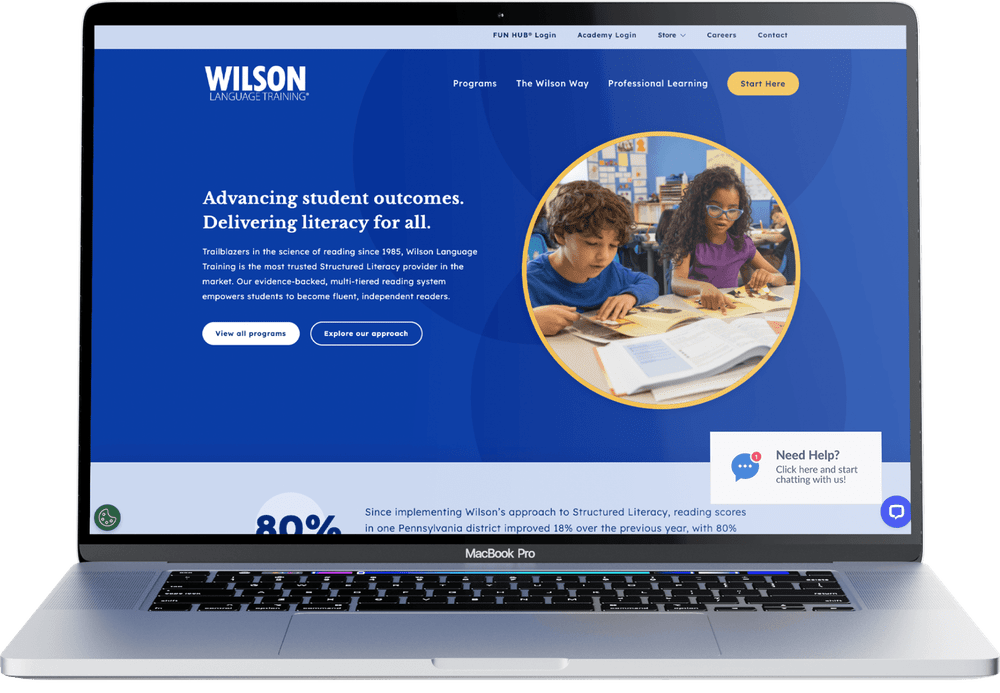
Language Training
Unique ecommerce functionality for educational content.

Luxury Textiles
Visuals-first website with powerful ecommerce capabilities.

Sports Apparel
Ecommerce functionality for apparel and complex items.

A SuiteCommerce implementation can involve much more than configuring and launching the storefront. Depending on your requirements, our team can help with SuiteCommerce customization, themes, automation, integrations, extensions, SEO, payment processing, training, and other development needed to support your ecommerce operation.
If your business operates across multiple brands, regions, or NetSuite subsidiaries, it's worth understanding how SuiteCommerce handles multiple websites before you start building.
In this video, Michael and Peter explain how multiple domains work under SuiteCommerce and SuiteCommerce Advanced licensing, which settings must remain shared, and how subsidiaries affect product visibility. They also walk through a real implementation involving separate US and Canadian storefronts running on a single license.
A successful SuiteCommerce implementation requires more than general NetSuite experience. Anchor Group brings NetSuite and SuiteCommerce expertise together with an in-house team that provides SuiteCommerce implementation services, development, customization, and ongoing support from initial requirements and planning through go-live and continued improvement.
Specialized SuiteCommerce & NetSuite Expertise
US-Based SuiteCommerce Team

Recognized by NetSuite


*We even pay for shipping. So, seriously, no hassle. Just A LOT of free! Here at Anchor Group, we pride ourselves on having the heart of a teacher... this is just one of the many ways that we follow through on that value.

A SuiteCommerce implementation is the process of launching and configuring NetSuite's native ecommerce platform. A typical implementation includes requirements gathering, website design, bundle installation, configuration, custom development, SEO optimization, testing, training, and post-go-live support.
SuiteCommerce provides a native connection to NetSuite ERP, allowing businesses to unify ecommerce, inventory, customer data, order management, and financial information within a single platform. This can improve efficiency, data accuracy, and customer experience while reducing integration complexity.
SuiteCommerce implementation services help businesses plan, configure, customize, and launch a SuiteCommerce website. These services often include theme development, integrations, SEO optimization, training, payment processing setup, and ongoing support after go-live.
The cost of a SuiteCommerce implementation can vary significantly depending on the SuiteCommerce product being implemented (SuiteCommerce, SCA, SuiteCommerce MyAccount, or SuiteCommerce InStore) and the level of customization required. Contact our team to receive a quote for SuiteCommerce implementation.
Learn about the cost factors of a SuiteCommerce Implementation... Read the article.
SuiteCommerce Advanced (SCA) implementations tend to cost slightly more than SuiteCommerce (Standard) implementations, primarily because SCA customers often request more customization. If you are unfamiliar with the similarities and differences between the two platforms, check out this article on SuiteCommerce Standard vs. SCA.
Every SuiteCommerce implementation has a different mix of requirements, from website design and configuration to custom development, integrations, data migration, training, and post-go-live support. Our SuiteCommerce consultants and developers can help you define the scope, identify what your project actually requires, and build an implementation plan around your business and NetSuite environment.